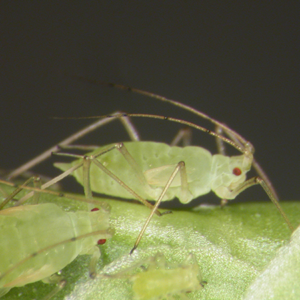
Aphid Control
Biocontrol strategies using ladybirds, parasitoids and mixes.
View details →Practical biological pest control guidance for UK growers using beneficial insects, predatory mites, parasitoids, monitoring and integrated pest management. Use this hub to find crop pest solutions, compare beneficial insects and link through to BioWiki, crop guidance and decision-support tools.
The main pest groups covered include aphids, thrips, whitefly, spider mites, mealybug, vine weevil, leafminer, caterpillars, sciarid fly, slugs and spotted wing drosophila. Each solution focuses on practical control options, suitable beneficials, environmental conditions and how to fit biological control into a wider IPM programme.
Ask the Biopredator Community. Upload photos of pests, crop damage or beneficial insects and get practical advice from growers, agronomists and biological control specialists.
Ask the Community
Biocontrol strategies using ladybirds, parasitoids and mixes.
View details →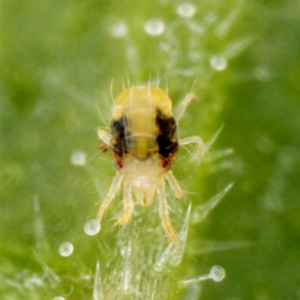
Predatory mites such as Phytoseiulus.
View details →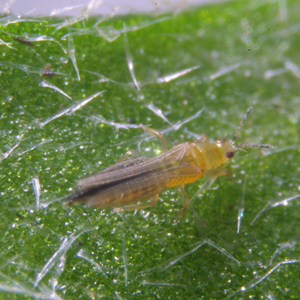
Orius + Amblyseius swirskii systems.
View details →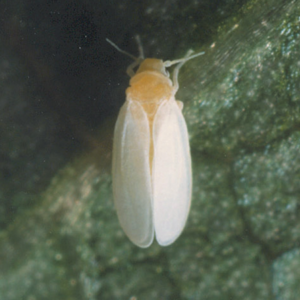
Encarsia + Eretmocerus systems.
View details →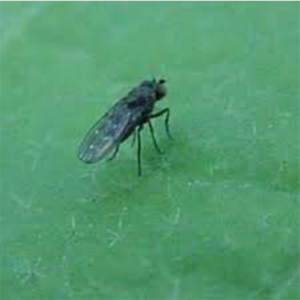
Stratiolaelaps and nematodes.
View details →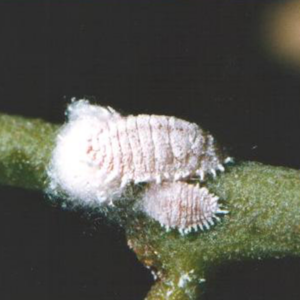
Cryptolaemus + parasitoids.
View details →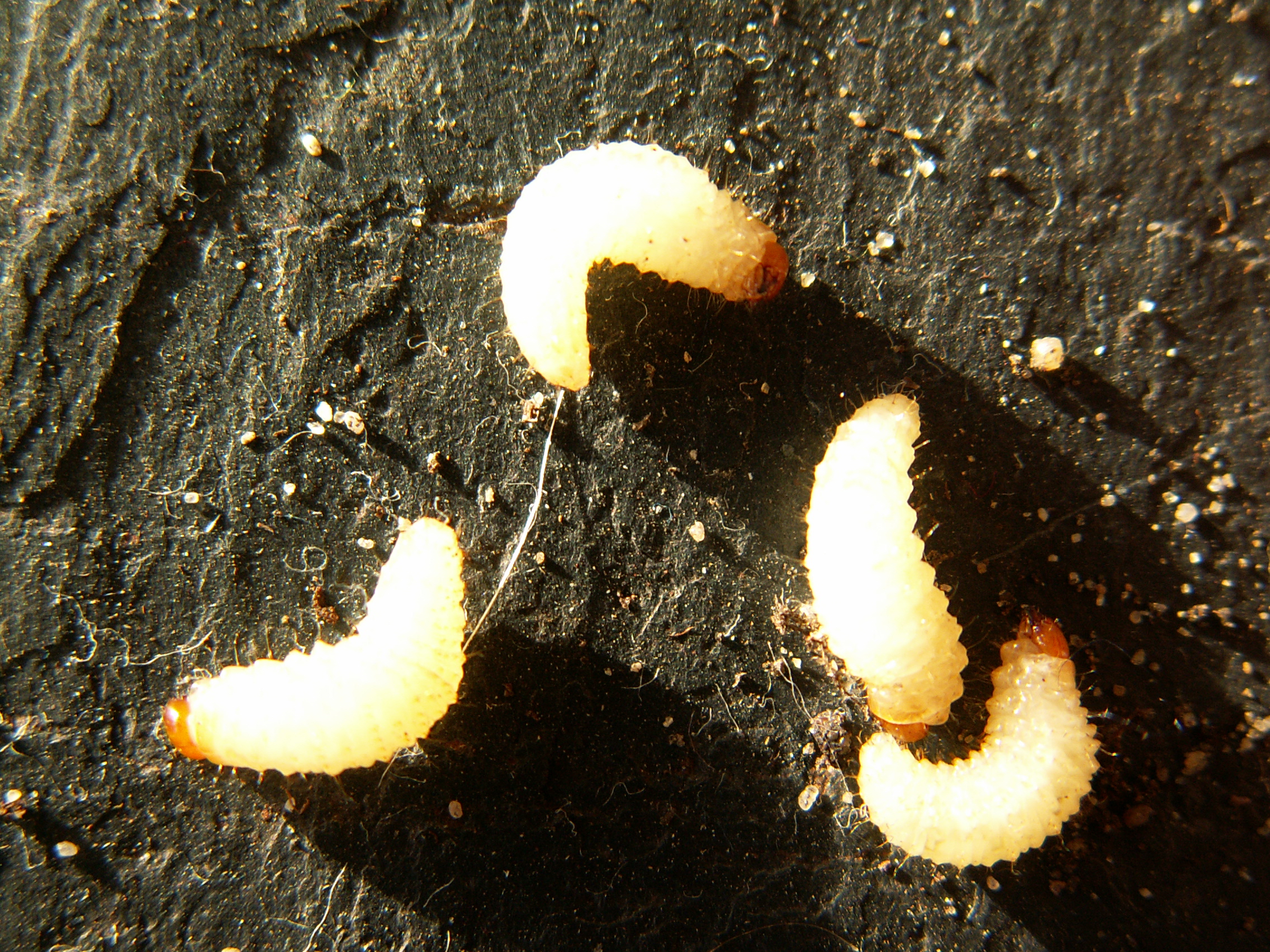
Nematodes for larvae + monitoring adults.
View details →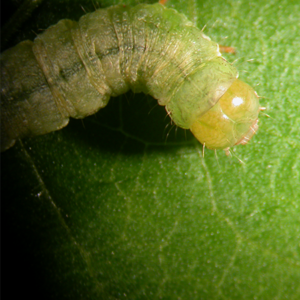
Bt + predators.
View details →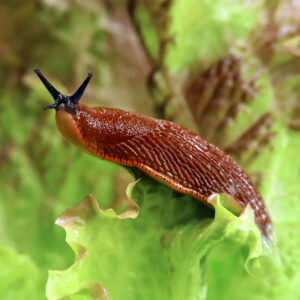
Phasmarhabditis nematodes.
View details →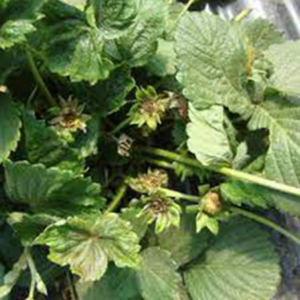
A. cucumeris + A. swirskii.
View details →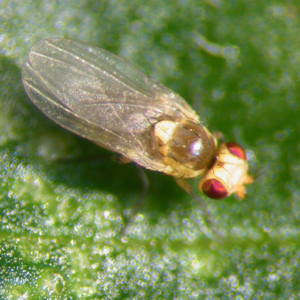
Diglyphus isaea.
View details →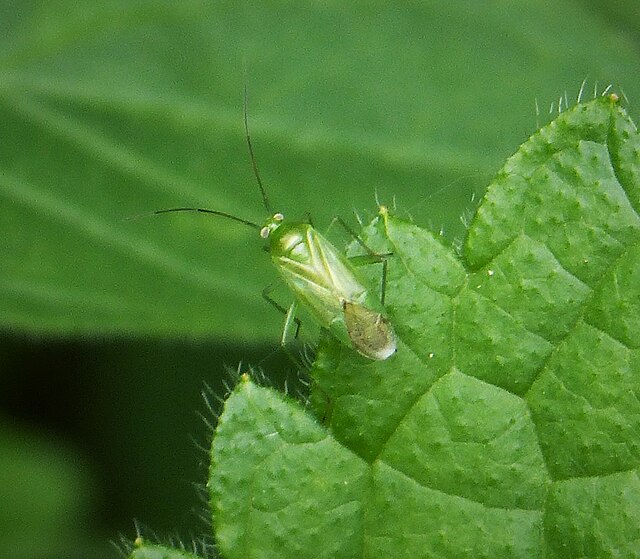
Integrated IPM approaches.
View details →Microscopic russet mite causing bronzing and collapse of tomato foliage.
View details →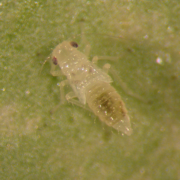
Sap-feeding pest causing hopper burn and stippling.
View details →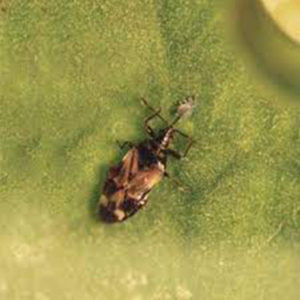
Sap-feeding pest causing leaf cupping, honeydew and distorted new growth.
View details →Algae-associated fly leaving black spotting on leaves and growing surfaces.
View details →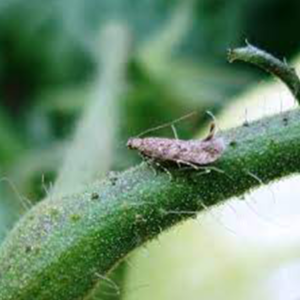
Serious tomato leafminer causing blotch mines and fruit damage.
View details →Wide range of soft and hard scale species causing sap loss, honeydew and plant decline.
View details →Soil-dwelling aphids feeding on roots causing wilting, yellowing and poor nutrient uptake.
View details →Microscopic eriophyid mites that induce galls, blisters and distorted plant tissue.
View details →Soil-dwelling detritivores sometimes mistaken for root pests.
View details →Juvenile capsid bugs causing distortion, scarring and aborted growth.
View details →Highly damaging mite causing bronzing, webbing and rapid population growth.
View details →Red morph spider mite with strong webbing and heat tolerance.
View details →Small vinegar flies attracted to fruit, compost and fermentation by-products.
View details →Soil-dwelling larvae feeding on roots, causing severe wilting and plant loss.
View details →Soil-dwelling click beetle larvae feeding on roots, tubers and young plants.
View details →Large soil-dwelling larvae feeding on roots and crowns, causing severe wilting.
View details →
Highly invasive thrips species causing scarring, distortion and rapid crop damage.
View details →Soil-dwelling crane fly larvae that feed on roots and collars, causing wilting and turf loss.
View details →Leafmining fly causing serpentine tunnels in tomato and related crops.
View details →Soil and bulb-dwelling mites feeding on bulb tissue, roots and basal plates.
View details →Polyphagous aphid species attacking many crops and transmitting viruses.
View details →Dark aphid species attacking beans, ornamentals and many field crops.
View details →Large aphid species found on potatoes, tomatoes and ornamentals.
View details →Leafmining pest of leeks, onions and other alliums causing distorted foliage and rotting stems.
View details →Serious pest of peppers and chillies, damaging buds, flowers and fruit.
View details →Microscopic mites causing russeting, bronzing and leaf deformity on fruit and ornamentals.
View details →Soil-dwelling larvae feeding on roots, algae and organic matter in propagation media.
View details →Chewing larvae of cabbage white butterflies causing holes and skeletonised brassica leaves.
View details →Leafminer causing serpentine mines in chrysanthemum and related ornamentals.
View details →Seed beetle attacking developing broad beans and reducing seed quality.
View details →Winged dispersal stage of many aphid species often seen colonising new crops.
View details →Medium to large slugs feeding on leaves, stems and seedlings in damp conditions.
View details →Smaller, often faster-moving slugs attacking young plants and low foliage.
View details →Thrips species attacking peppers and ornamentals, causing scarring and bronzing.
View details →Hidden soil-dwelling mealybugs feeding on roots and crowns of ornamentals and container crops.
View details →Highly invasive whitefly species capable of virus transmission and resistant to many pesticides.
View details →Major thrips pest of protected crops, causing silvering, bronzing and virus transmission.
View details →Thrips species attacking onions, leeks and salads, causing silver streaks and reduced yield.
View details →Small green leafhoppers causing hopper burn, yellowing and reduced vigour.
View details →Sap-feeding pest of box plants causing cupping and distorted foliage.
View details →Weevil pest of peas and beans causing notching on leaves and root nodule damage.
View details →Dark thrips species damaging foliage of ornamentals and pot plants.
View details →Leaf and fruit boring moth pest of tomatoes, causing mines and galleries.
View details →Common fungus gnat species in propagation and pot crops.
View details →Woolly aphid forming cottony colonies on beech leaves and shoots.
View details →Small flies whose larvae cause galls, blisters or distortion on leaves and shoots.
View details →Armoured scale insect forming mussel-shaped covers on bark and twigs.
View details →Key fruit moth pest causing “maggoty” apples and pears.
View details →Defoliating moth of fruit trees and ornamentals whose larvae feed in spring.
View details →Soil-dwelling white grubs feeding on roots in turf and nursery stock.
View details →Monitoring and IPM guidance for spotted wing drosophila in soft fruit and cherry crops.
View details →Pear sucker (pear psylla) biological control and IPM guidance.
View details →Use parasitoids, predators and crop hygiene to manage aphid colonies before populations spread.
Aphid control →Plan predatory mites, Orius and monitoring around flowering, temperature and crop risk periods.
Thrips control →Use early detection, humidity management and predatory mites before webbing develops.
Spider mite control →Combine Encarsia, Eretmocerus, predatory mites and monitoring for glasshouse whitefly programmes.
Whitefly control →Target larvae with nematodes and predatory mites while monitoring adult feeding damage.
Vine weevil control →Monitor spotted wing drosophila in soft fruit and cherry crops using traps, hygiene and crop timing.
SWD control →Crop pages help connect pest pressure with real growing situations, including soft fruit, protected crops, herbs, ornamentals and tree fruit.
Thrips, aphids, spider mites, whitefly, SWD and crop hygiene.
Strawberry IPM →Whitefly, leafminer, aphids, spider mites and protected crop IPM.
Tomato IPM →Thrips, spider mites, aphids and whitefly in warm glasshouse crops.
Cucumber IPM →Aphids, mites, SWD and biological control planning in cane fruit.
Raspberry IPM →Mixed pest programmes for protected ornamental and nursery crops.
Ornamental IPM →Low-residue pest management for edible herbs and protected production.
Herb IPM →Learn how commonly used beneficial insects fit into biological pest control programmes. These pages explain what each beneficial targets and where they are most useful.
Predatory bugs used mainly for thrips, with useful activity on small soft-bodied pests.
Orius BioWiki →Predatory bugs useful against aphids, psyllids and small larvae in suitable crops.
Anthocoris BioWiki →Parasitoid wasps used for aphid control within protected and outdoor IPM programmes.
Aphidius BioWiki →Classic whitefly parasitoid used in protected crops and long-term whitefly programmes.
Encarsia BioWiki →Key beneficials for thrips, spider mites, sciarid fly and soil-dwelling pests.
Predatory mites →Useful aphid predators, especially where colonies are already visible.
Ladybirds BioWiki →Use the tools below alongside the solution pages to identify pests, compare biological control options, plan release timing and assess pest pressure risk.
Use simple symptoms and crop signs to narrow down likely pest problems.
Open Pest ID →Compare beneficial insects and biological options by pest and conditions.
Open selector →Plan biological releases using pest pressure, crop stage and programme timing.
Open planner →Assess pest risk using environmental and crop-pressure indicators.
Open risk engine →Check weather conditions that may influence pest pressure and beneficial activity.
Open weather tool →Read background pest and beneficial insect information without product bias.
Open BioWiki →Start with the pest solution page if you already know the problem. If you are unsure, use the pest identification tool first. For crop-specific planning, move from the pest page into the relevant crop page, then use the release planner or biocontrol selector to compare suitable biological control options.
Biological control works best when releases are timed early, pest monitoring is regular, environmental conditions are suitable and chemical disruption is avoided where possible. The solution pages are designed to connect these decisions together rather than treating each beneficial insect or pest in isolation.