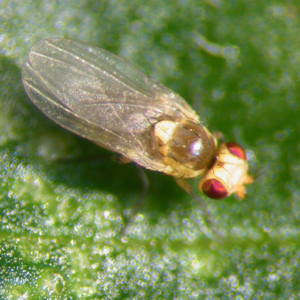
Leafminer
Overview
Leafminers are larvae that feed between the upper and lower surfaces of leaves.
They create visible mines and reduce photosynthetic area.
Important in: - Tomatoes - Herbs - Ornamentals - protected leafy crops
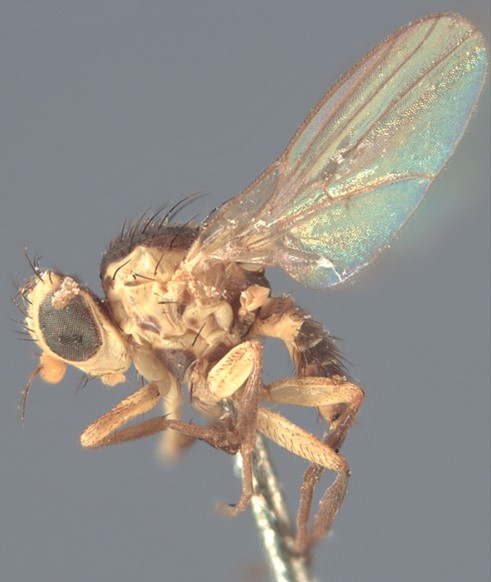
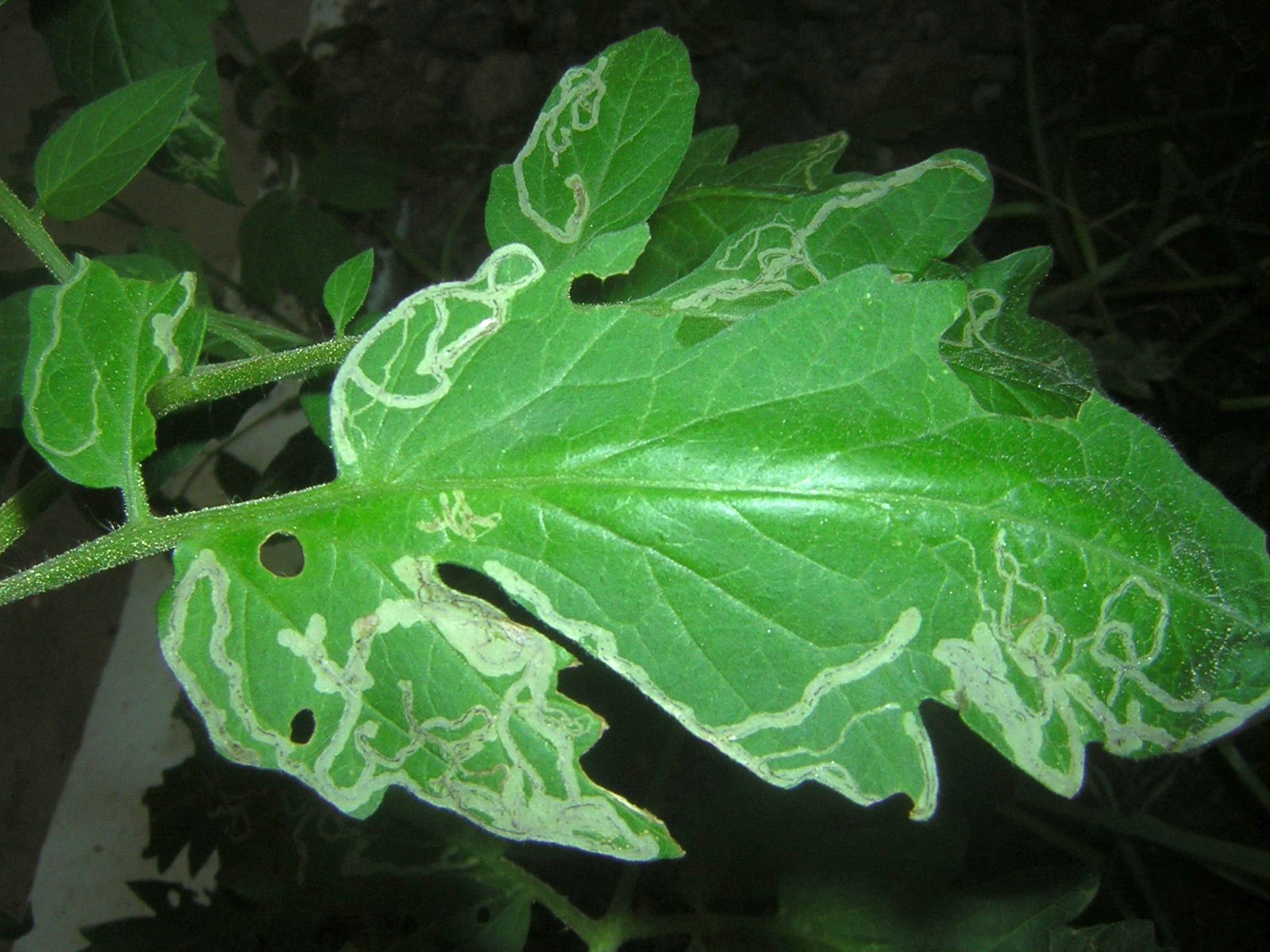
Symptoms
Typical signs include: - serpentine mines - pale feeding trails - blotch mines - reduced leaf quality - leaf collapse under heavy attack
Risk conditions
| Condition | Risk |
|---|---|
| Warm protected crops | High |
| Continuous cropping | High |
| Dense canopy | Moderate |
| Poor monitoring | High |
Monitoring
Inspect: - young leaves - lower canopy - fresh feeding trails - adult activity on traps
IPM approach
Useful strategies: - remove heavily mined leaves - preserve parasitoids - monitor early mines - avoid unnecessary disruption
Key message
Leafminer management is easiest when mines are detected early before populations build across the crop.