tags: - public-ready - export-bio
Slugs
Overview
Slugs are moisture-dependent pests that cause chewing damage, crop contamination and establishment losses. They are especially important in damp outdoor crops, propagation areas, polytunnels, containers, raised beds and protected nursery systems.
Slug pressure is rarely just a “slug problem”. It is usually linked to moisture, shelter, crop debris, irrigation timing, ground cover and local refuges.
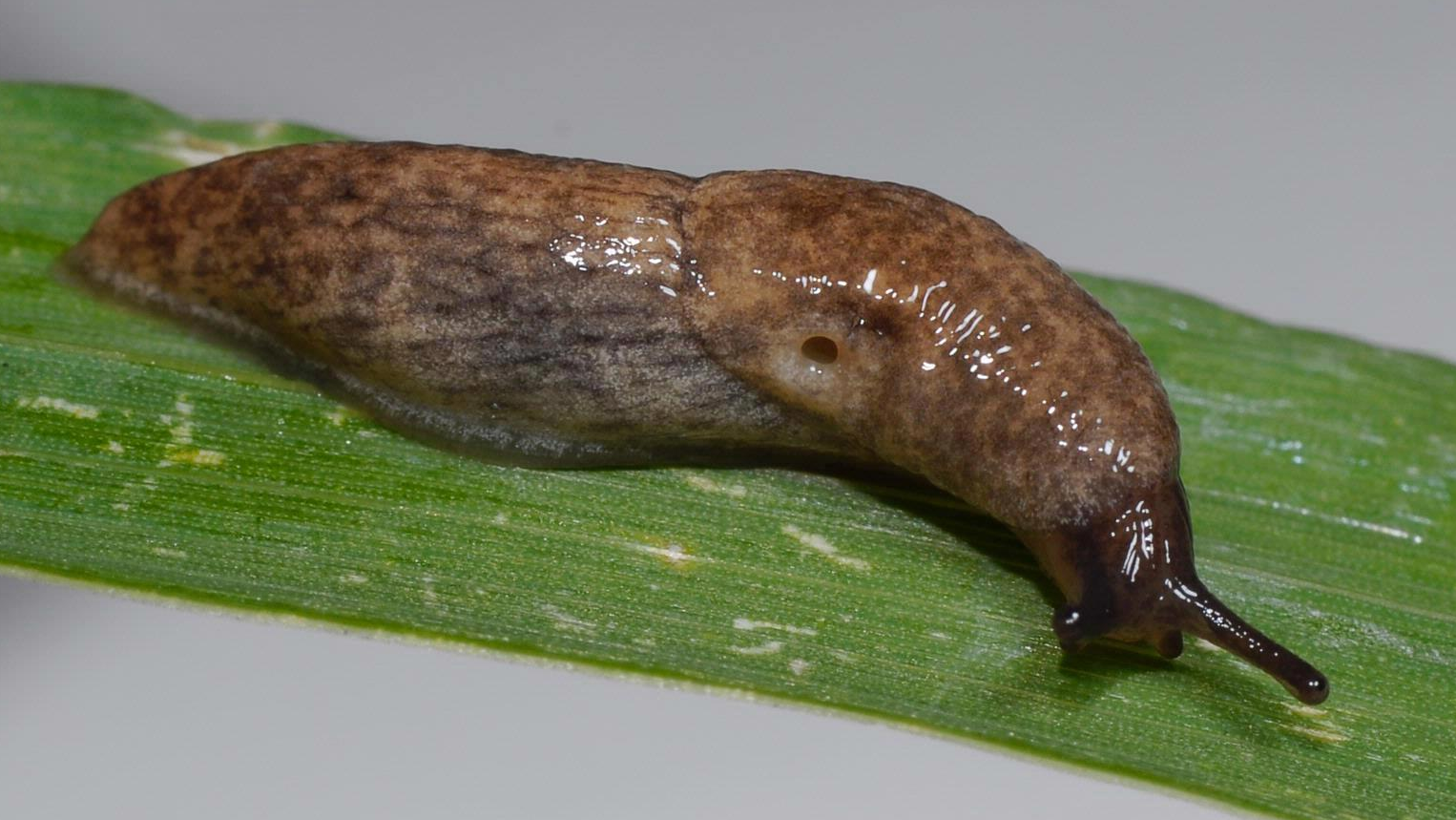
Symptoms
- Ragged holes in leaves
- Grazing damage on seedlings
- Damage to lower leaves, fruit or stems
- Slime trails
- Night-time feeding damage
- Contamination of harvested produce
- Plant losses during establishment
Conditions that increase risk
- Cool, damp weather
- Persistent rainfall
- Heavy irrigation
- Dense ground cover
- Crop debris and old leaves
- Wet pots, trays and benches
- Boards, matting, weeds and other refuges
- Poor drainage or constantly wet areas
Slug pressure often increases when moisture and shelter overlap.
Similar or associated pests
These pests can all be associated with establishment damage, substrate conditions or chewing/root damage.
Biological control options
Slug biological control commonly uses entomopathogenic nematodes targeted at slug stages in moist soil or growing media.
Nematodes are most useful when:
- substrate is moist
- temperatures are suitable
- slugs are active
- applications are timed before damage becomes severe
- treated areas are kept moist after application
Biological control is usually strongest when combined with habitat and moisture management.
Monitoring strategy
Slug monitoring should focus on activity and refuge areas.
Useful checks include:
- inspecting crops early morning or evening
- checking under pots, trays, boards and ground cover
- using refuge traps
- looking for slime trails
- checking vulnerable crop edges
- inspecting propagation areas
- checking wet corners and shaded areas
Slug numbers seen during daytime often underestimate true pressure.
Crop relevance
Slugs are important in:
- seedlings and propagation
- leafy crops
- strawberries
- ornamentals
- nursery stock
- containers and raised beds
- polytunnels
- outdoor crops after wet periods
Young plants and low-growing crops are especially vulnerable.
Environmental drivers
- Moisture is the main driver of slug activity
- Cool damp periods increase feeding risk
- Dense ground cover creates humid refuges
- Debris and old leaves allow slugs to shelter during the day
- Over-irrigation can increase local pressure
- Dry exposed conditions reduce surface activity
Slug management is strongly linked to crop hygiene, irrigation timing and habitat structure.
IPM notes
- Reduce wet refuges where practical
- Remove old leaves, weeds and crop debris
- Avoid unnecessary evening irrigation where slug risk is high
- Improve drainage and airflow around vulnerable areas
- Use targeted biological control where conditions support nematodes
- Monitor after rainfall and irrigation
- Focus on crop edges, pots, trays and damp corners
Risk interpretation
High slug risk usually occurs when several factors overlap:
- recent rain or heavy irrigation
- mild/cool conditions
- dense crop cover
- sheltered refuges
- vulnerable young plants
- previous slug history
Slug pressure is often patchy, so hotspot mapping is useful.
Related environment pages
- Humidity and leaf wetness
- Ventilation and air movement
- Plant stress
- Glasshouse vs outdoor pest behaviour
- Environmental driver matrix — key pests
Related systems pages
Related tools
Practical grower guidance
For practical biological control strategies, monitoring advice and IPM implementation see:
Further guidance
Use this page alongside the practical control guide and related BioWiki links above.
Biological control & IPM foundations
For broader IPM principles, biological control strategy, monitoring philosophy and ecological management concepts see: