Codling Moth
Overview
Codling moth is one of the key fruit-damaging pests of apples and pears.
Larvae bore into fruit, often leaving: - entry holes - frass - internal feeding damage - premature fruit drop
Main host crops
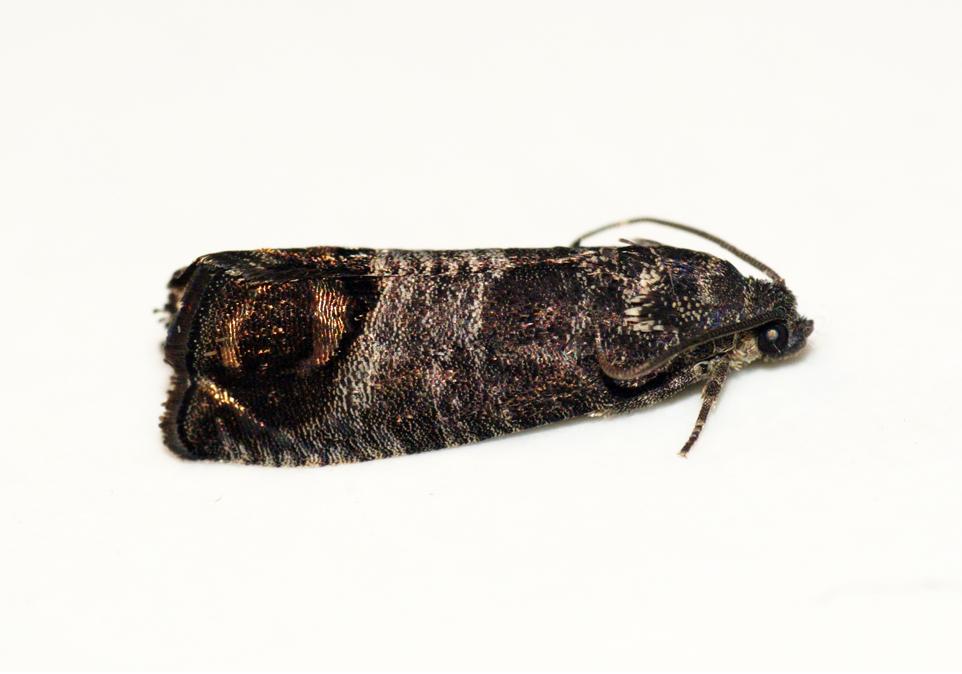

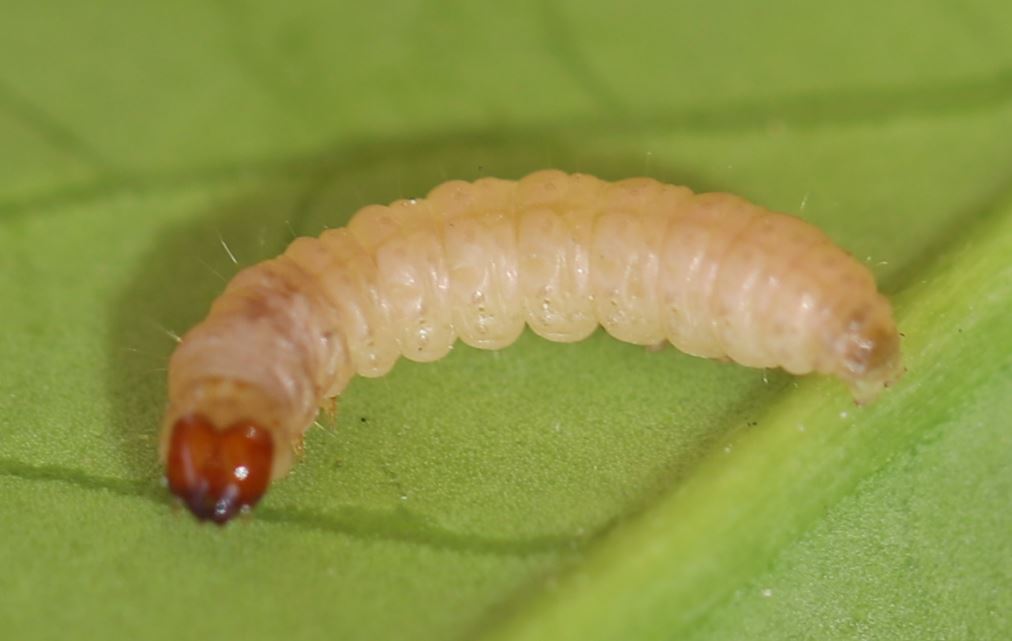

Identification
Typical signs include:
- small entry holes in fruit
- brown frass around entry points
- internal tunnelling
- damaged cores
- early fruit drop
Adults are small grey-brown moths.
Risk conditions
| Condition | Risk |
|---|---|
| Warm summer weather | High |
| Unmanaged orchards nearby | High |
| Fallen fruit left in orchard | Moderate–High |
| Poor monitoring | High |
Monitoring
Monitor using:
- pheromone traps
- fruit inspections
- dropped fruit checks
- orchard edge inspections
IPM approach
Useful strategies:
- monitor moth flight
- remove damaged fruit
- reduce fallen fruit reservoirs
- maintain orchard hygiene
- encourage natural enemies
Key message
Codling moth management depends on early monitoring and preventing damaged fruit from becoming a carryover reservoir.