Pear Sucker
Overview
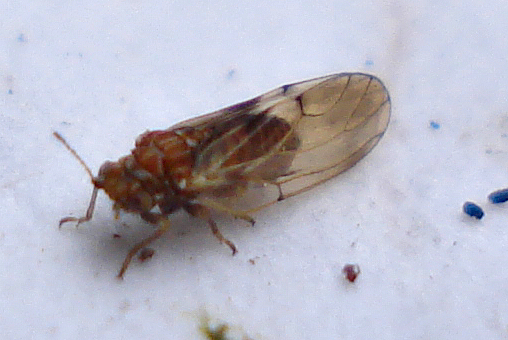
Pear sucker is a major pest of pear orchards.
It feeds on sap and produces honeydew, which can lead to: - sticky leaves - sooty mould - reduced fruit quality - weakened growth
Main host crop
Identification
Look for:
- small jumping insects
- nymphs on young shoots
- honeydew
- sticky foliage
- sooty mould
- distorted or weakened shoots
Risk conditions
| Condition | Risk |
|---|---|
| Warm sheltered orchards | High |
| Dense canopy | High |
| Soft growth | Moderate–High |
| Low natural enemy activity | High |
Monitoring
Inspect:
- young shoots
- leaf undersides
- fruit clusters
- sticky honeydew zones
IPM approach
Useful strategies:
- maintain open canopy
- avoid excessive soft growth
- preserve natural enemies
- monitor early spring growth
- reduce stress
Biological control options
- Anthocoris spp. — generalist predatory bug active against pear sucker eggs and nymphs sold commercially as Antholine
- Parasitoid wasps
- Lacewing programmes where appropriate
Key message
Pear sucker is best managed by early monitoring, canopy airflow and preservation of natural enemies.