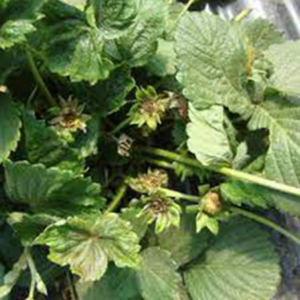
Broad Mite
Overview
Broad mites are microscopic tarsonemid mites that damage growing points and young tissue.
They are especially important in: - peppers - chillies - strawberries - ornamentals - aubergines
Damage is often mistaken for: - nutrient deficiency - spray damage - virus symptoms - heat stress
Main symptoms
Typical symptoms include: - distorted young leaves - hardened brittle growth - curled growing points - twisted leaves - bronzing - stunted growth - scarred fruit
New growth is usually most affected.
Conditions favouring broad mite
| Condition | Risk |
|---|---|
| Warm protected crops | High |
| Dense canopy | High |
| Plant-to-plant contact | Moderate–High |
| Poor inspections | High |
Monitoring
Broad mites are extremely difficult to see without magnification.
Inspect: - distorted growing points - folded leaves - hardened tissue - flower areas
IPM approach
Useful strategies: - early detection - hotspot isolation - predator continuity - avoiding spread on handling - removing badly damaged tissue
Commonly affected crops
Key message
Broad mite damage is usually found too late because symptoms are mistaken for nutrition or stress problems.