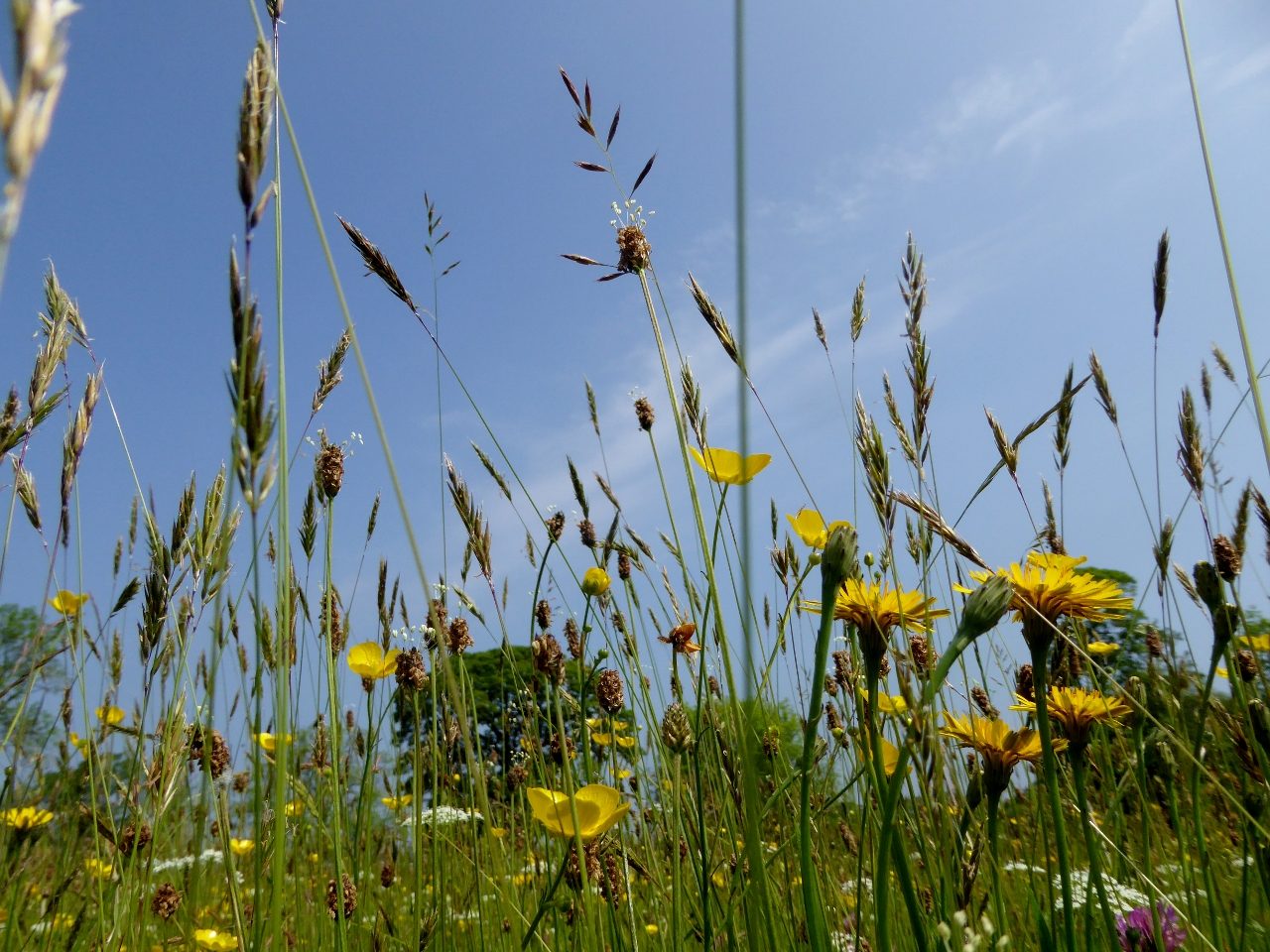
When we see a strip of bird cover or flowering plants on a farm, it is easy to assume that something useful is happening for wildlife. Often it is. But I think it is reasonable to ask what the planting actually delivers, particularly when public money is paying for it.
Environmental schemes can have a real impact. The evidence supports that. But the species, seed mix, location and management all matter.
We also need to distinguish between different types of planting. A flowering strip aimed at supplying nectar and pollen does a different job from a winter bird-food crop grown to produce seeds. Some mixtures provide both, but a colourful summer display does not automatically mean there will be much food left in February. England’s winter bird-food guidance specifically aims to keep seed-producing areas available into late winter. (gov.uk)
Corn buntings can benefit directly from cereal-rich bird-food mixtures. Adults eat seeds, particularly grain, while their chicks need insects. They also need nesting cover that remains safe through their relatively late breeding season. A winter seed plot helps with one part of that cycle; it cannot compensate for every nest being lost during summer cutting. (rspb.org.uk)
Skylarks have slightly different needs. They can benefit from winter feeding habitat, particularly weedy cereal stubbles, but during breeding they need accessible ground within open fields. Dense bird cover beside a tall hedge is unlikely to solve that problem. Spring crops and deliberately undrilled skylark plots within winter cereals are more directly suited to maintaining breeding opportunities. (rspb.org.uk)
So these plantings are not simply for “birds in general”. They can help declining farmland species, but we need to match the habitat to the birds we want to support.
There is evidence of genuine results. A BTO study of England’s Environmental Stewardship scheme found that winter seed provision slowed declines in several species, including yellowhammers, linnets, reed buntings and grey partridges. The qualification matters: the benefits were measurable, but they slowed declines rather than reversing them nationally. (bto.org)
Targeted work can achieve more locally. In Fife, a package of conservation advice, seed provision and agri-environment management was associated with an increase in recorded singing male corn buntings from 106 in 2014 to 426 in 2024. That was a coordinated effort, rather than evidence that any individual strip of bird cover will produce the same result. (rspb.org.uk)
There are practical weaknesses too. Research on three English farms found that seed in the studied bird-food plots was exhausted by January. Supplementary feeding attracted substantially more birds through the late-winter food shortage. Establishing a plot is only the beginning; it needs to keep delivering when food is scarce. (nora.nerc.ac.uk)
My view is that these schemes deserve support, alongside proper scrutiny. A photograph of flowers is easy to produce. Showing that birds survived winter, nested successfully and increased over several years takes more work.
That is what I would want public funding to encourage: suitable habitat, good management and evidence of results. The conservation value is real when we get those things right. The appearance alone tells us very little.