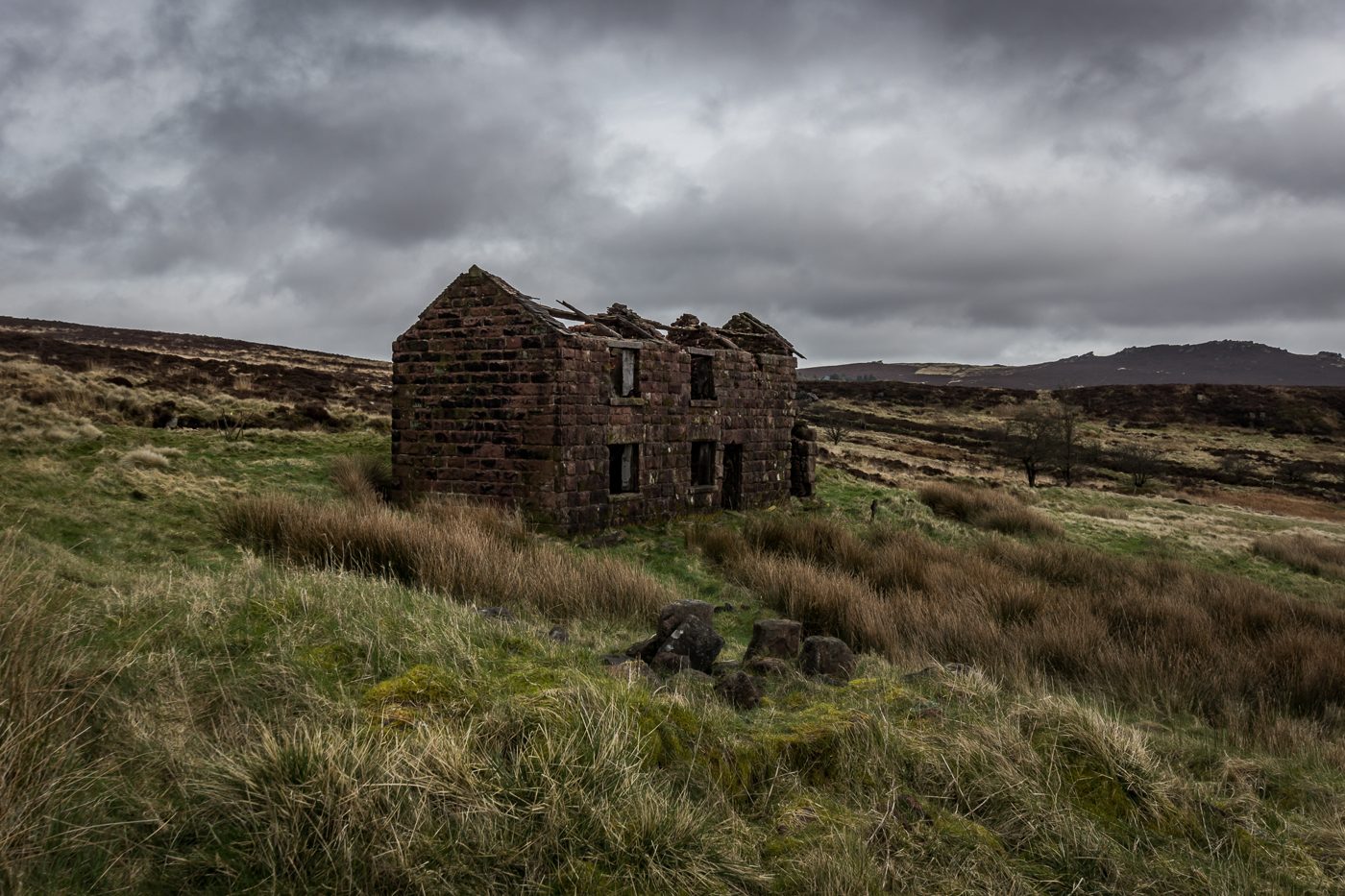
I keep coming back to a question about environmental payments. Are we helping farmers look after the countryside, or are we making it financially attractive for some landowners to do without the farmer altogether?
For a tenant farmer, that is quite a difference. Their livelihood depends on access to land they do not own. Often their home goes with it. If an estate decides there is a better return from taking the land back, managing environmental schemes itself and letting the farmhouse separately, the farmer can lose far more than a business.
The concern about land being taken back for environmental schemes is already recognised. The Rock Review raised it, although the government’s response said there was limited evidence that it was happening routinely. So I would be careful about suggesting every estate is doing this. But the incentive deserves scrutiny before the consequences become harder to reverse. (gov.uk)
From a landowner’s perspective, the calculation may be fairly straightforward. Compare the agricultural rent with the return available from environmental payments, account for the costs of managing the scheme, then consider what the farmhouse could earn as a separate residential let. Where that combination produces a better return, keeping a tenant farmer may become the less attractive option.
I can understand the commercial reasoning. What I struggle with is the possibility that public money is helping tip the balance against the people actually producing our food.
We do need to be precise here. A scheme payment is not all profit. Establishment, seed, management and ongoing obligations cost money. Nor does every environmental option stop food production. Herbal leys can be grazed or cut for forage, so they can remain part of a working livestock system. Bird-seed crops and flower-rich habitats serve different purposes, and we should not lump them all together. (gov.uk)
As an agronomist, I see real value in better soils, flowering margins, beneficial insects and habitat for wildlife. These things can strengthen a farming system. I want more growers to understand and use them.
But I also want farmers to have a future within that system.
If a working farm becomes a collection of environmental agreements and separately rented properties, what happens to the next person who wants to farm? Where do they start? We already have people with the skills and enthusiasm who cannot afford to buy land. Tenancies should provide a route in. Every holding lost potentially narrows that route further.
Where productive land is taken out of food production, there is also a food question. We cannot assume the skills, equipment and businesses will still be waiting if we decide we need that production again. A farming business takes years to build.
My first thought is that environmental payments should go to the people farming and managing the land. There is already an element of that in England’s Sustainable Farming Incentive: the current rules exclude a landlord who is not actively farming or managing the land, and require management control. (gov.uk)
But that does not fully answer the concern. If an estate takes land back and becomes the manager itself, the question changes. It is no longer simply about whether the applicant qualifies. It is about whether the scheme has helped make removing the tenant financially worthwhile.
That is where I think we need stronger safeguards. Public funding should support environmental improvement alongside secure opportunities to farm. It should not create an easy financial advantage from ending a tenancy.
And perhaps we need to ask a more uncomfortable question: are some payments too attractive relative to the alternatives?
That does not mean farmers receiving them are getting rich. Many are using environmental income to keep a working farm viable. Cutting support indiscriminately could hurt precisely the people we ought to protect. But payment rates should be judged against their wider effects, including what they do to the availability of tenanted land.
I also wonder whether we have become too willing to pay for things that should be basic responsibilities of land ownership.
Preventing pollution, avoiding damaging practices and meeting reasonable environmental standards should be expected. Those expectations need enforcement, with meaningful penalties when they are ignored. There is a difference between paying someone to create valuable new habitat and paying them to meet a basic duty of care.
For work beyond that baseline, I can see a clear case for public support. Some environmental improvements have real costs and deliver benefits that a farmer cannot sell through the price of their crop. But the payment needs to buy a worthwhile outcome, and the person doing the work should benefit.
What I would like to see is a system that makes it worthwhile to keep a good tenant, produce food and improve the environment together.
Because a countryside with more flowers but fewer opportunities to farm is not automatically a success. We need to look beyond the appearance of the field and ask what has happened to the people, the production and the future of the holding.
Taxpayer money should help build that future. I do not think it should make the farmer easier to replace.